Articles

Bespoke Tailoring Process

There are many articles on this difference, and of course, it will be influenced by the individual, who may have trained as a tailor or have no tailoring skills whatsoever. Originally, the phrase “to bespoke your cloth”; would have been used by a bespoke tailor who would drape the length of fabric over the customer and then bespoke the garment for the customer. This is a process that continues to this very day

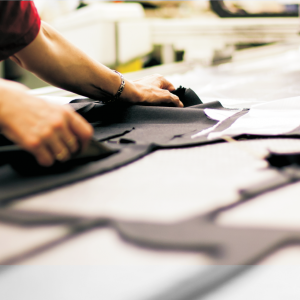
Bespoke tailoring is a garment that will be cut entirely by hand; the customer will have 30+ measurements taken and a paper pattern cut. Once cut, the garment will be put together by hand and machined as a first fitting or skeleton fitting (entirely by hand). The cutter then fits the customer; it may be that parts of the garment are taken apart during the fitting (sleeves taken out, shoulders undone, etc). This is to allow the cutter to remold the garment at the fitting stage and mark it with chalk and pins. The objective is to observe and improve the fitting, to create an update to be applied to the paper pattern

The cutter will undo the garment, having noted all changes and applying them to the pattern. Once the fabric has been flattened, the next stage is to re-mark the garment with the updated pattern and apply all updates for an advanced fit. A 2nd fitting is put together and will confirm the updates from the cutter and, most importantly, allow any final changes before being finished. This may be sleeve length, shoulder width, and a slight balance. The paper pattern will be updated once again for any future orders

The garment is now put together to be finished by the tailor(s); this is where the bespoke handwork of the garment takes place. Different houses have slightly different methods, and these will reflect their style and ultimately the finished product. The foundations of a bespoke garment will include body canvas padded by hand or machine, a chest piece with horse hair and domette, sleeves sewn by hand, hand button holes, and lining inside, sewn by hand or machine. Overall, the garment reflects over 30 hours of workmanship

Share:

Guidelines for Business Appropriate Dress (Dressing the Man by Alan Flusser)

The first measuring stick for business attire should be cleanliness. Clients prefer their professionals looking well groomed. Casual dressing is no excuse for looking sloppy, rumpled, or unwashed.

When in doubt as to the correct attire for a specific business meeting, opt for a suit. Dress-down wear is still relatively new to the corporate arena and still not perceived as professional and powerful as the classic business ensemble.

If unsure about an occasion’s level of formality, overdressing is the safer bet. By dressing up, not only do you pay a compliment to your client, cohort, or company, but you always have the option of removing one or more articles of clothing.

Dress in line with your superiors and never more casually than your subordinates. Be careful not to dress in such a relaxed manner that you no longer look like someone who can become an authority figure.

Whatever clothes you choose to wear to work, make sure they have the same characteristics that you look for in a fine suit: good material, fine workmanship, and excellent fit. Buy the best quality you can afford. Like one’s education, clothing is an investment in your future.

Share:

The Turn of the Waistcoat…

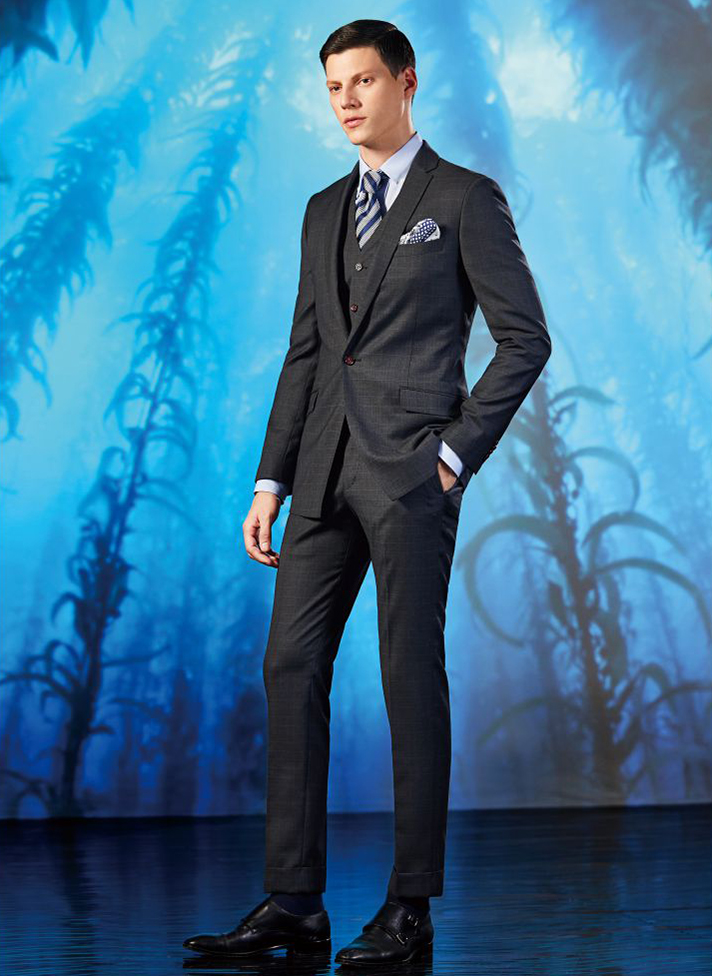
What a fantastic garment?? How can we not consider not wearing waistcoats in this day and age (after all when they look as good on the likes of David Gandy, you do start to have slightly more inspiration for the ways we can wear it)

King Charles ll originally introduced the waistcoat as part of the correct dress code during the restoration of the British monarchy (1660), being derived from the Persian vests seen by English visitors to the court of Shah Abbas (so the King really had the power to officially introduce a catwalk item and insist it will stay in Vogue no matter what…?)

Continue reading The Turn of the Waistcoat…

Share:

The Style Details

Considering the style of your outfit can require a significant amount of thought…

Some considerations for you:
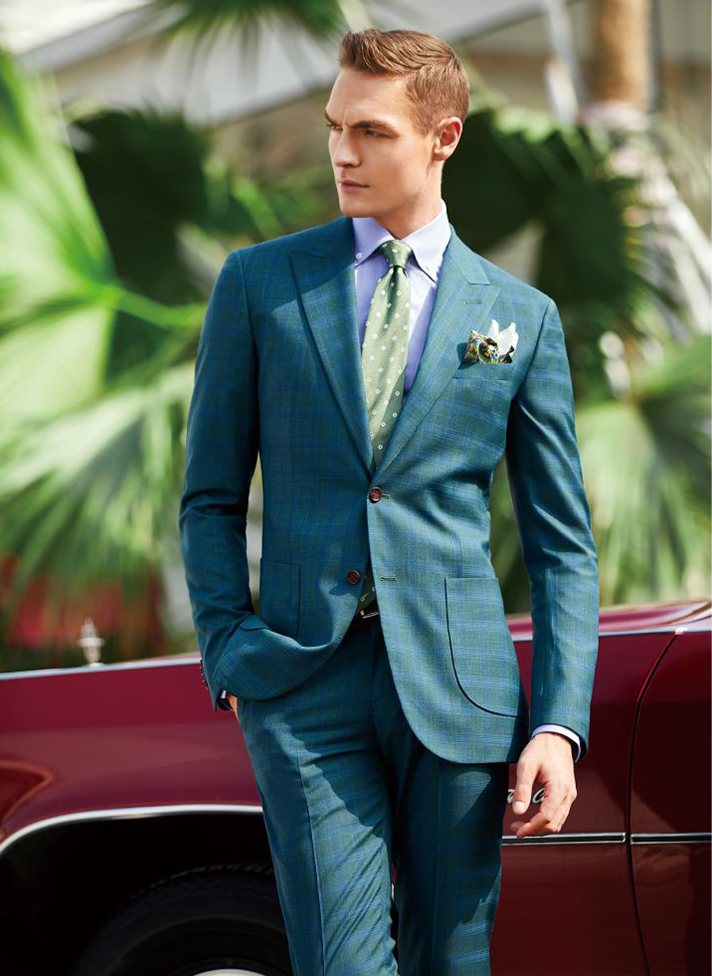
What have you seen that you like? Is it a smart suit for business, and you like the idea of a single-breasted button 2 and side vents and want to add more personal touches, such as a contrast lining
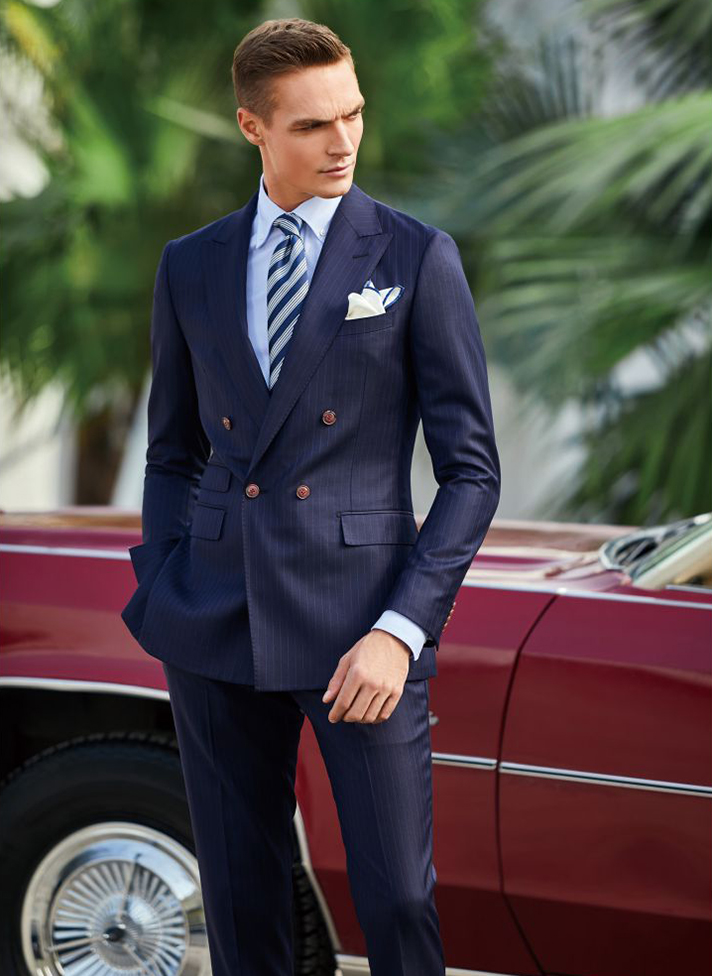
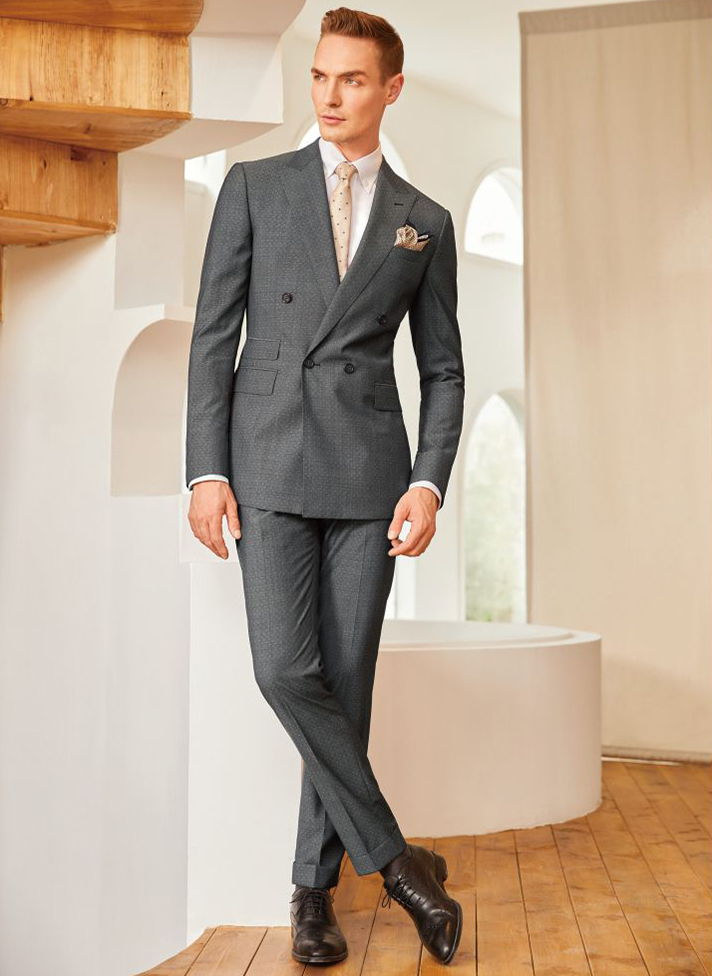
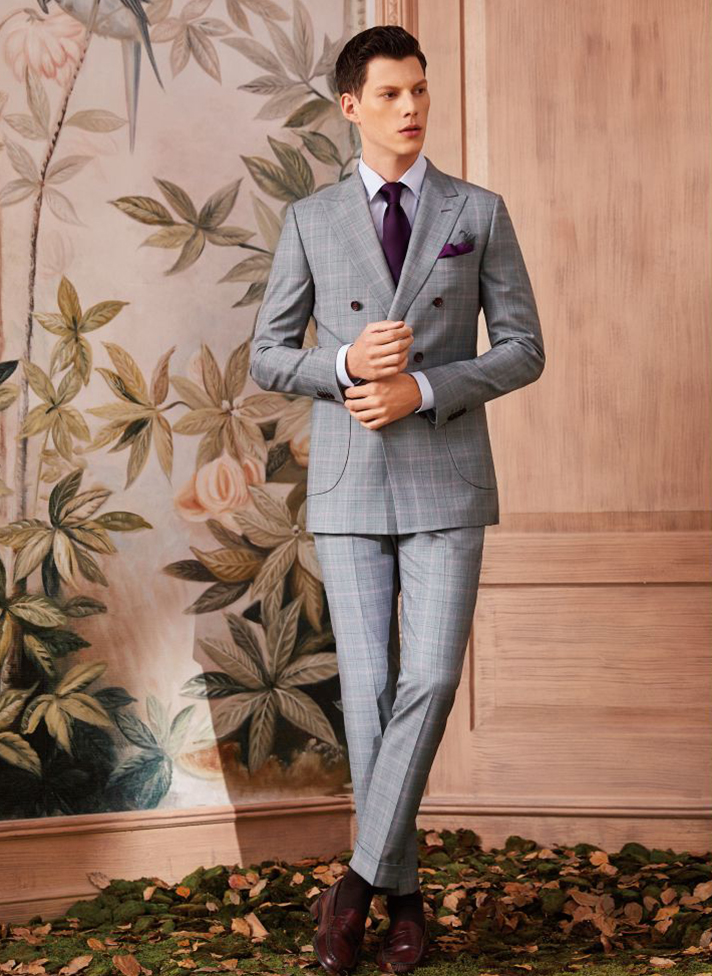
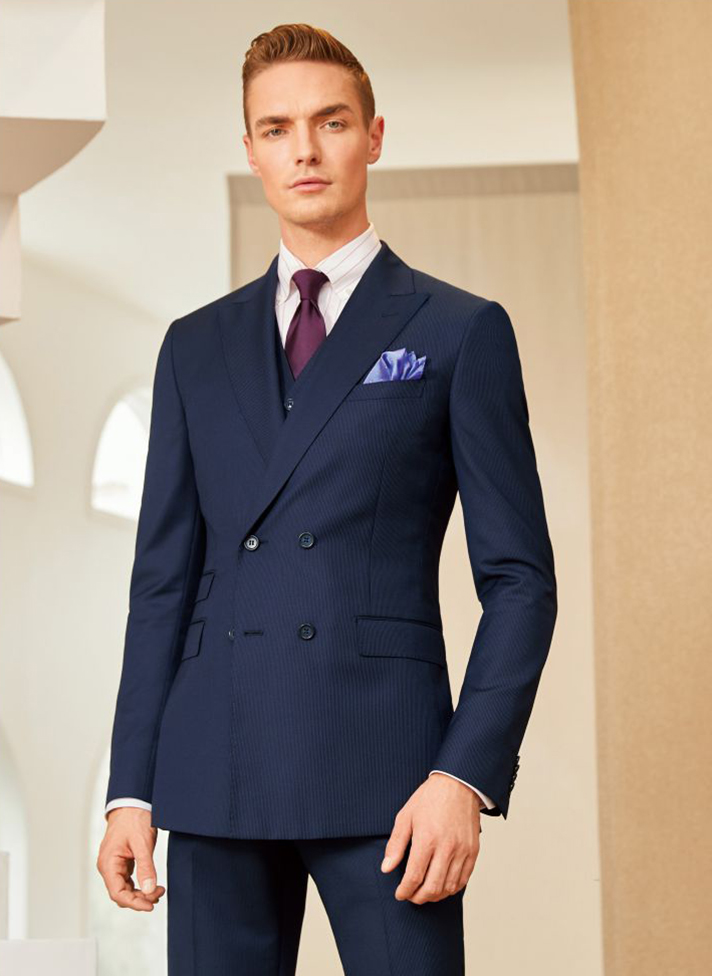
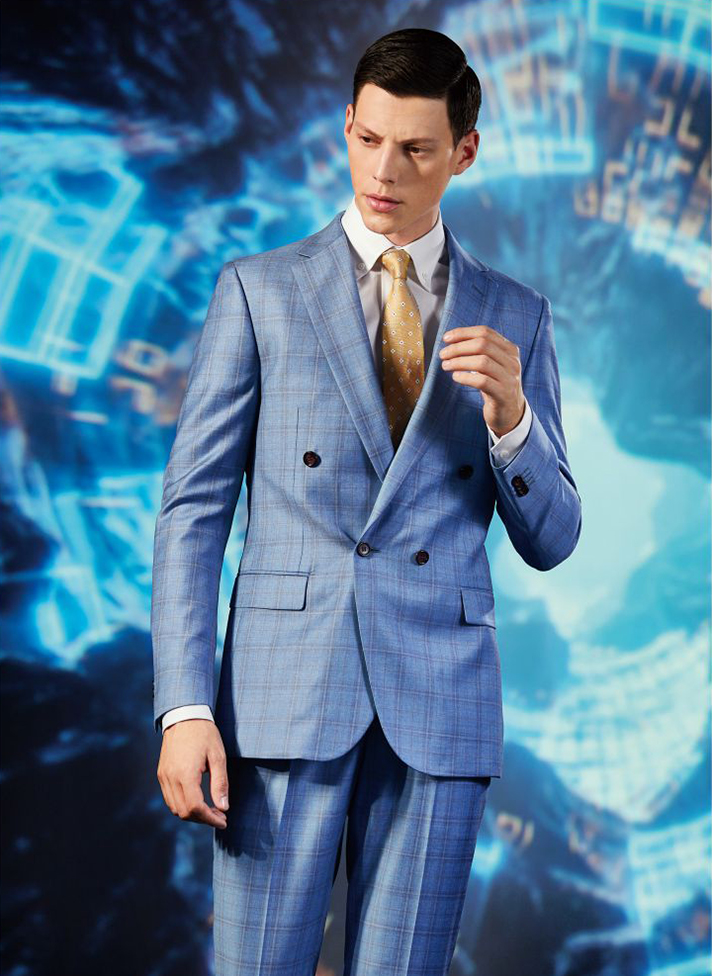
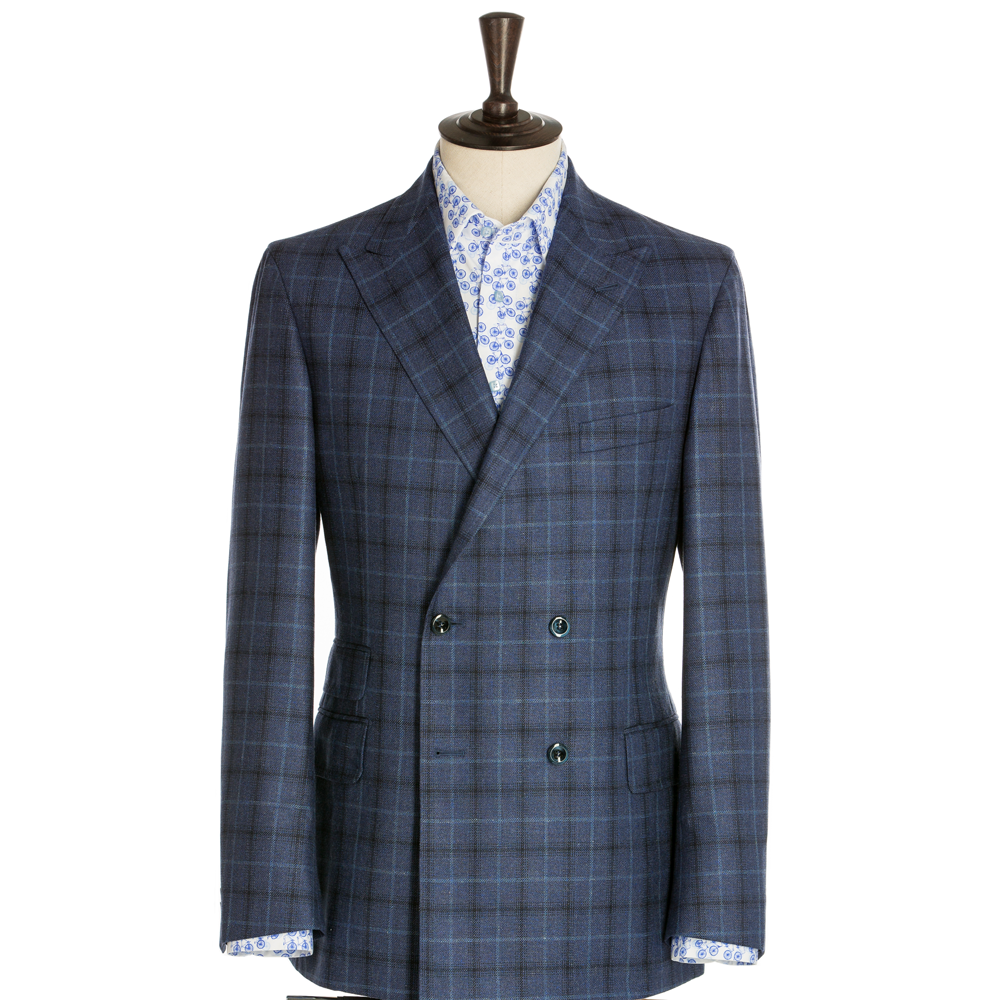
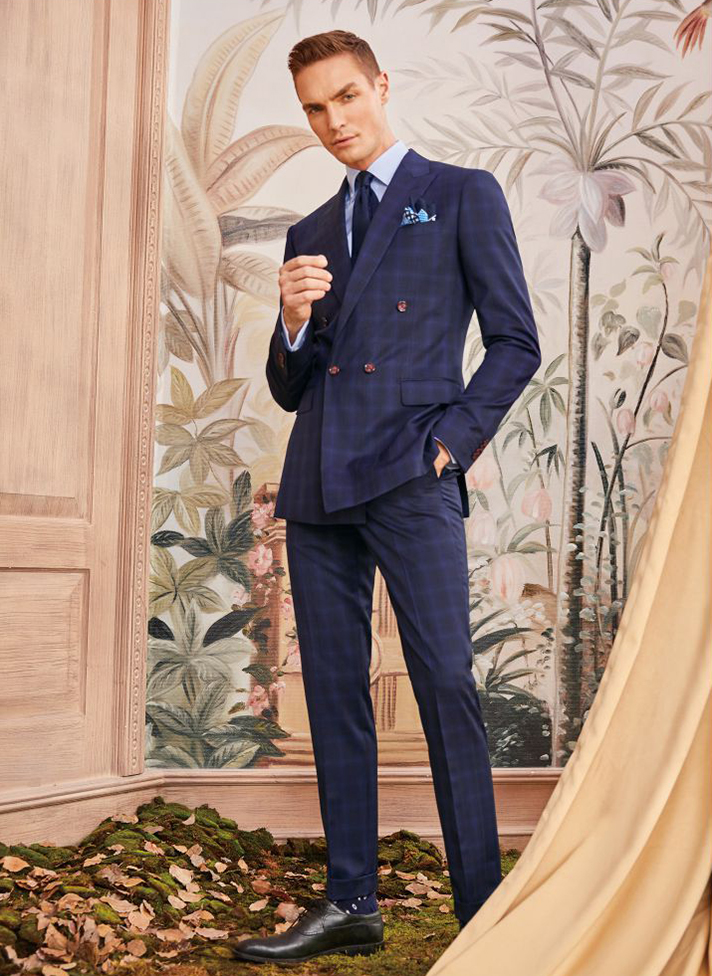
Double-breasted is very smart and is generally worn with the buttons done up. Pinstripe can create a formal look in double-breasted suits and again with side vents
The trouser cut is important to complement your jacket style. For example, a formal look with a double-breasted jacket can be a pleated front with a side adjuster (no belt worn) and a turnup on the bottom of the trousers or a plain bottom (we can always give you a fitting with a turnup and you decide after)
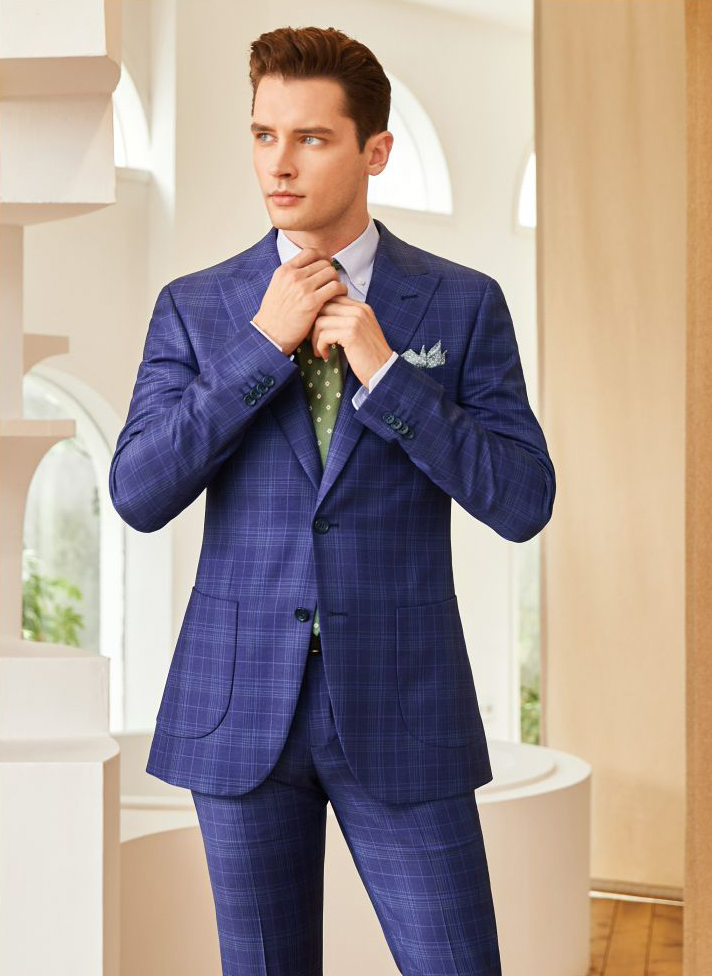
For a single-breasted jacket, the cut through the body will dictate the trouser shape. A more tailored pair of trousers would be cut with a plain front and belt loops. Finished with a plain hem, as we would taper the shape from the waist through the leg. Generally, we would suggest a right back pocket (right-handed) or whichever you prefer
They say that no two bodies are the same, and we would definitely be inclined to agree
Some areas and food for thought to think about:
What’s the image you want to portray, and what are you looking to achieve overall?
For example, a well-tailored suit, cut accordingly to your height and waist size and something that will be used for those super important business meetings
Have you thought more about colours and patterns that really suit you? Have you looked around and taken inspiration from what you really like? Maybe having a file for images
Have you asked others for their input on what they think genuinely suits you? Or in some cases perhaps not!
Thinking in reverse, what do you really not like about how your clothes fit you?
It may be that the length is always too long, and it is difficult to get the balance right for your proportions
In this case, we would measure and cut accordingly to your proportions. It’s important to note that many of us will be used to having things too long and have gotten used to this (so do we want the opposite when we are not used to this)
***See images***
What if your legs are longer in proportion to the top half of your body? We would potentially want to make the jacket line slightly longer and possibly lower the waistline of your trousers
Maybe your upper body is more prominent, and having a jacket tailored and not accentuating the broadness of your shoulders would work well. So instead of cutting the shoulder wider and emphasising even more, we could tailor the sleeve with minimal bulk (sleeve roll and padding) and cut closer to your shoulder line. Taking slightly less shape through the waistline will also create a more flattering silhouette
The opposite can be achieved if, for example, your shoulders are narrower. So, having them cut slightly wider will create a broader look, and then having more shape through the body will create an optical illusion for your figure
Remember, in creating that overall look, we must think about the lower half. Your body is your body, but having a jacket giving the optical illusion, we want to have the trousers following the same lines…
By refining your upper body very slightly, we can straighten the trouser shape (as opposed to tapering and exaggerating your top half).
Share:

MTM & Bespoke

Made-To-Measure is a term that has been coined under the banner of Bespoke by many, the main difference is that it is based on a block pattern and cut to be finished. The customers figuration and posture is updated on the pattern and cut accordingly. The garment will be put together by skilled tailors by machine and hand depending on the tailoring quality chosen by the customer. This will be either fully canvassed, half canvass or fused (or a combination).

It is important to note that Made-To-Measure produces an outstanding quality, with the majority of tailored garments being made in this way. The customer has a pattern that is updated to reflect the changes in fashion and the confidence that the garment is cut to millimetre precision every time. The same fabrics for Bespoke tailoring are available for Made-To-Measure, the main difference is the process takes less time

Overall there will be differences between MTM and Bespoke. The process for Made-To-Measure will be more streamlined. The garment is cut to finish and will be carried out by a clothier who will have tailoring experience, any remodelling done by a good tailor and a well fitted garment is achievable. The price tag for a MTM suit will be £600 +; where as a Savile Row bespoke suit is currently £5,000 and upwards

Share: